
Blood Types
Blood group O characteristics
A grounded type O guide from the QMH blood-type library: protein-forward source notes, plant balance, hydration, and responsible tracking without turning blood type into a rule.
Read this as wellness education, not a diagnosis. ABO and Rh blood type are clinically important for compatibility and donation safety. Blood-type diet claims are not validated treatment, and a protein-forward pattern should be adapted around cardiovascular history, kidney health, digestion, ethics, preferences, labs, medications, pregnancy, allergies, and professional care.
How QMH Reads Type O
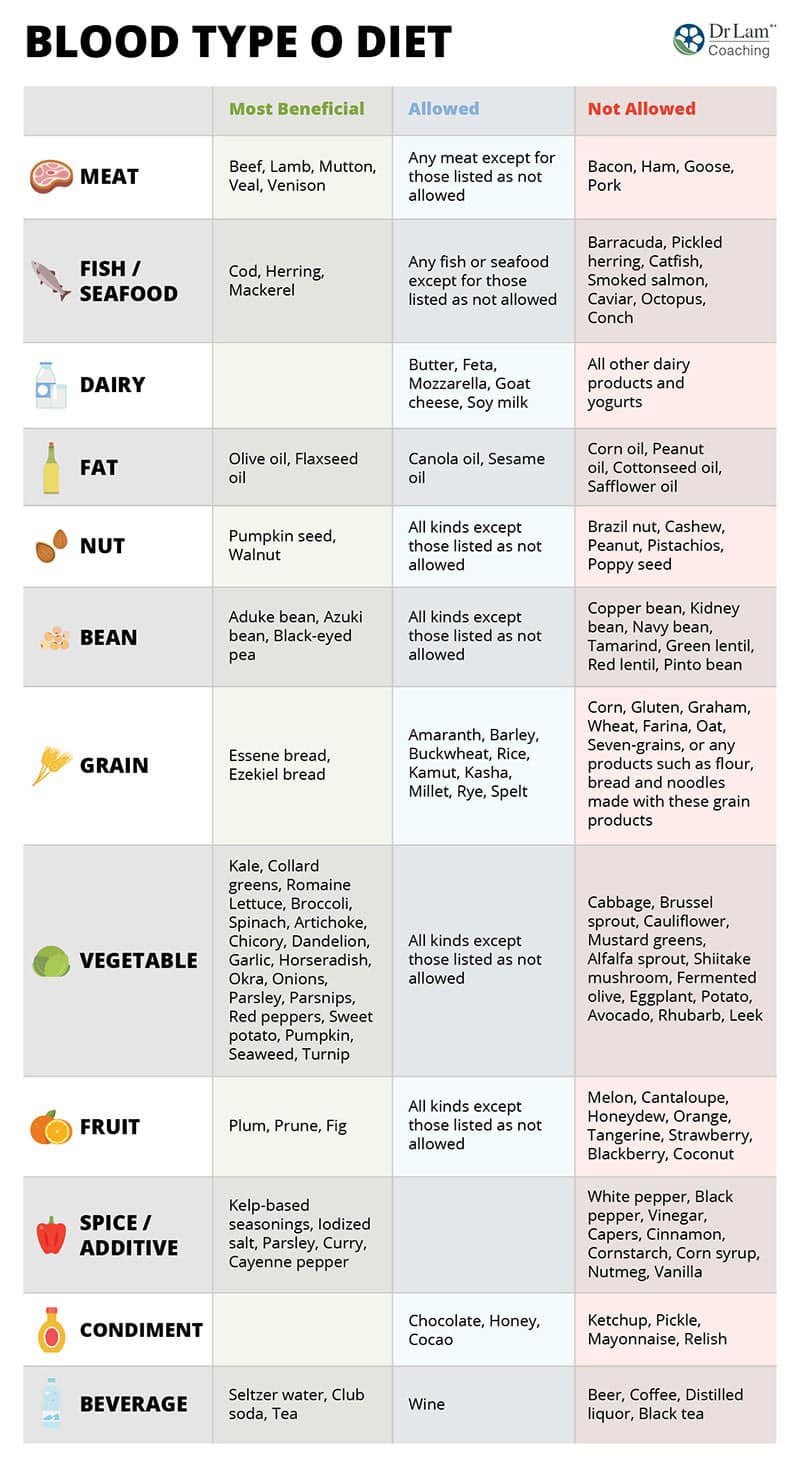
In the QMH source files, type O is the most protein-forward pattern. It emphasizes selected meats, selected fish, vegetables, olive or flaxseed oil, pumpkin seeds, walnuts, and fewer grain or dairy foods.
The important refinement is balance. A type O reader should not hear, "Eat more meat no matter what." A safer message is: if you explore this pattern, protect fiber, plants, hydration, mineral intake, and your own medical context.
Foods To Explore
- Proteins: beef, lamb, mutton, veal, venison, turkey, and selected fish when appropriate and personally tolerated.
- Fish: bluefish, cod, hake, halibut, herring, mackerel, pike, red snapper, salmon, sardine, trout, and whitefish.
- Fats, nuts, and seeds: olive oil, flaxseed oil, pumpkin seeds, and walnuts.
- Beans and breads: adzuki beans, pinto beans, black-eyed peas, Essene bread, and Ezekiel bread in the source notes.
- Plants: beet leaves, broccoli, collard greens, dandelion greens, garlic, kale, okra, onions, parsley, pumpkin, spinach, seaweed, turnips, figs, plums, and prunes.
Foods To Treat Carefully
The QMH source notes place pork, ham, bacon, most dairy, wheat and corn-heavy foods, oat-heavy foods, lentils, kidney beans, navy beans, cabbage, cauliflower, potatoes, eggplant, avocado, oranges, strawberries, coffee, black tea, beer, liquor, and cola into a limit or avoid category.
Those notes should be handled gently. A person may need dairy alternatives for calcium, grains for energy and fiber, or a lower-saturated-fat pattern for heart health. The article should support discernment, not pressure.
Daily Log Prompts
- Did protein-forward meals improve satiety, training recovery, or energy?
- Was fiber high enough from vegetables, fruit, beans, seeds, or tolerated grains?
- Did reducing dairy or grains affect digestion, mood, sleep, or bowel habits?
- Were hydration, minerals, calcium, vitamin D, iodine, and overall calories protected?
Evidence Boundary
ABO blood type is real and medically important, but current research does not show that ABO reliably determines the best diet. Benefits people report may come from eating more whole foods, reducing processed foods, and paying close attention to individual tolerance.
For QMH, type O is best framed as an optional educational pattern. It can guide a food journal, but it should never override labs, symptoms, practitioner guidance, or the person's lived experience.
Source Files
The local QMH library includes the original type O food PDF and type O diet chart. They are useful source material when presented with modern evidence boundaries.
Open Type O food PDF Open Type O chart
Blood type basics - American Red Cross Blood-type diet review - PubMed ABO diet study - Journal of Nutrition