
Blood Types
Blood group B characteristics
A practical type B guide from the QMH blood-type library: selected proteins, cultured dairy if tolerated, grains, vegetables, fruit, and a clear reminder to track personal response.

Read this as wellness education, not a diagnosis. ABO and Rh blood type matter for blood compatibility, donation, transfusion, and pregnancy safety. Blood-type diet patterns are not proven medical treatment, and they should never override allergies, medication needs, pregnancy, kidney disease, diabetes, digestive disease, eating-disorder history, or qualified clinician and registered dietitian guidance.
How QMH Reads Type B
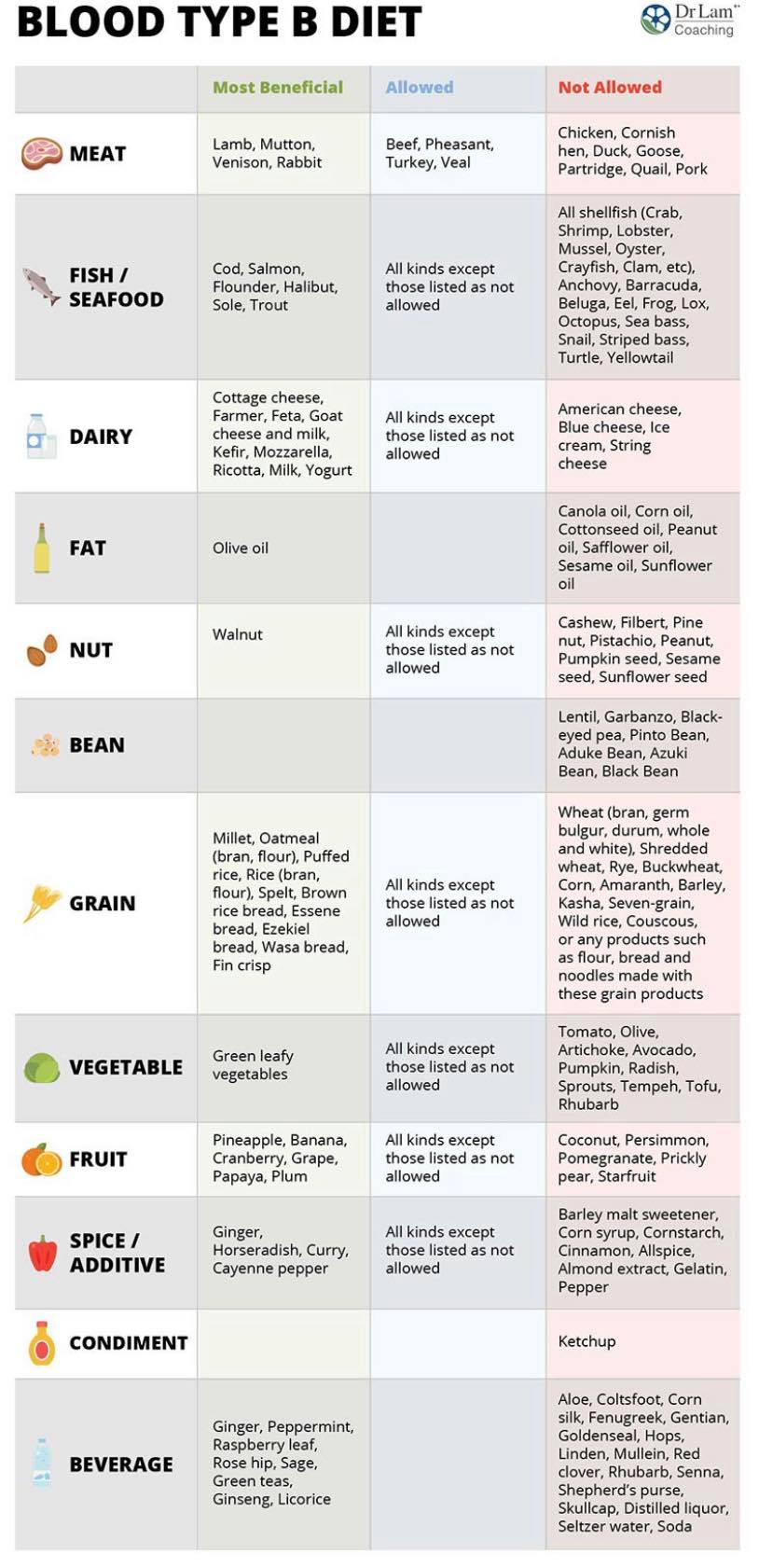
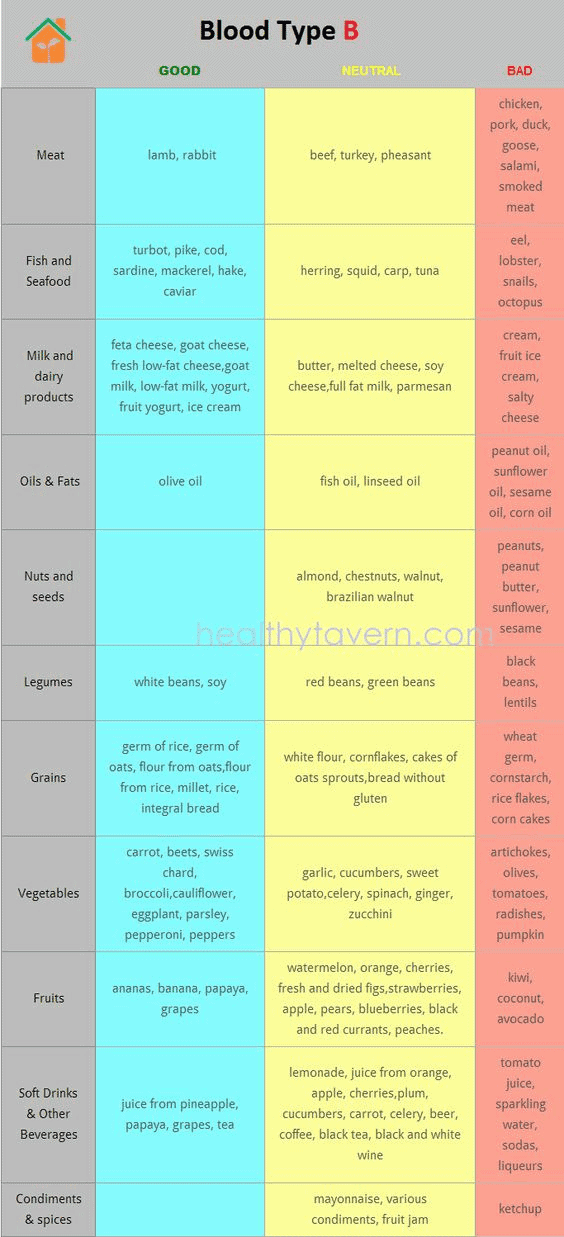
In the QMH source files, type B is a mixed pattern. It includes selected meats, fish, cultured dairy if tolerated, grains, vegetables, and fruit. The tone should stay flexible because the two original B charts do not perfectly agree item by item.
The value for a reader is not strict obedience to a list. The value is a structured way to notice whether dairy, wheat, corn, chicken, pork, shellfish, legumes, and mixed meals feel supportive or irritating in daily life.
Foods To Explore
- Protein variety: lamb, mutton, rabbit, venison, selected fish, and turkey if tolerated.
- Fish: cod, salmon, flounder, grouper, haddock, hake, halibut, mackerel, mahi-mahi, sole, and trout.
- Dairy if tolerated: yogurt, kefir, cottage cheese, feta, goat cheese, goat milk, mozzarella, ricotta, skim milk, or 2 percent milk.
- Grains and beans: millet, oat bran, oatmeal, puffed rice, rice bran, spelt, brown rice bread, Ezekiel bread, Wasa bread, kidney beans, lima beans, navy beans, green beans, and white beans.
- Plants: beets, broccoli, carrots, cauliflower, eggplant, kale, leafy greens, mushrooms, peppers, potatoes, yams, banana, cranberry, grape, papaya, pineapple, and plums.
Foods To Treat Carefully
The QMH source notes list chicken, pork, shellfish, corn, wheat-heavy foods, buckwheat, rye, lentils, peanuts, sesame and sunflower seeds, tomato, avocado, coconut, soda, seltzer, and distilled liquor as foods to limit or avoid. These should be presented as source-file context only.
For real people, tolerance matters. Someone may feel well with yogurt and poorly with milk, or fine with rice but not wheat. A good type B article should invite observation rather than force a food identity.
Daily Log Prompts
- Did cultured dairy feel calming, neutral, or irritating?
- How did wheat, corn, buckwheat, or rye affect digestion and energy?
- Did chicken, pork, or shellfish create any noticeable pattern, or was the response unrelated?
- Were vegetables, fruit, protein, fiber, and hydration balanced across the day?
Evidence Boundary
Research has not validated ABO blood type as a dependable way to prescribe nutrition. The safer interpretation is that a person may benefit from eating more whole foods, reducing ultra-processed foods, and paying attention to tolerance, regardless of blood type.
For QMH, type B should be used as a conversation starter. It can support reflection inside a larger wellness plan, but medical decisions belong with licensed clinicians and nutrition professionals.
Source Files
The local QMH library includes a type B food PDF and two type B chart images. Because the two charts differ in places, this article keeps the guidance broad and non-strict.
Open Type B food PDF Open Type B chart Open alternate Type B chart
Blood type basics - American Red Cross Blood-type diet review - PubMed Evidence context - Harvard Health