
Blood Types
Blood group A characteristics
A calm type A guide from the QMH blood-type library: plant-forward food notes, daily tracking prompts, and evidence boundaries for using blood type as context rather than a rule.

Read this as wellness education, not a diagnosis. ABO and Rh blood type are medically important for blood donation, transfusion, pregnancy, and compatibility safety. Blood-type diets and personality claims are not validated medical treatment, so food choices still need to respect allergies, medication, pregnancy, kidney disease, diabetes, eating-disorder history, culture, budget, and clinician or registered dietitian guidance.
How QMH Reads Type A
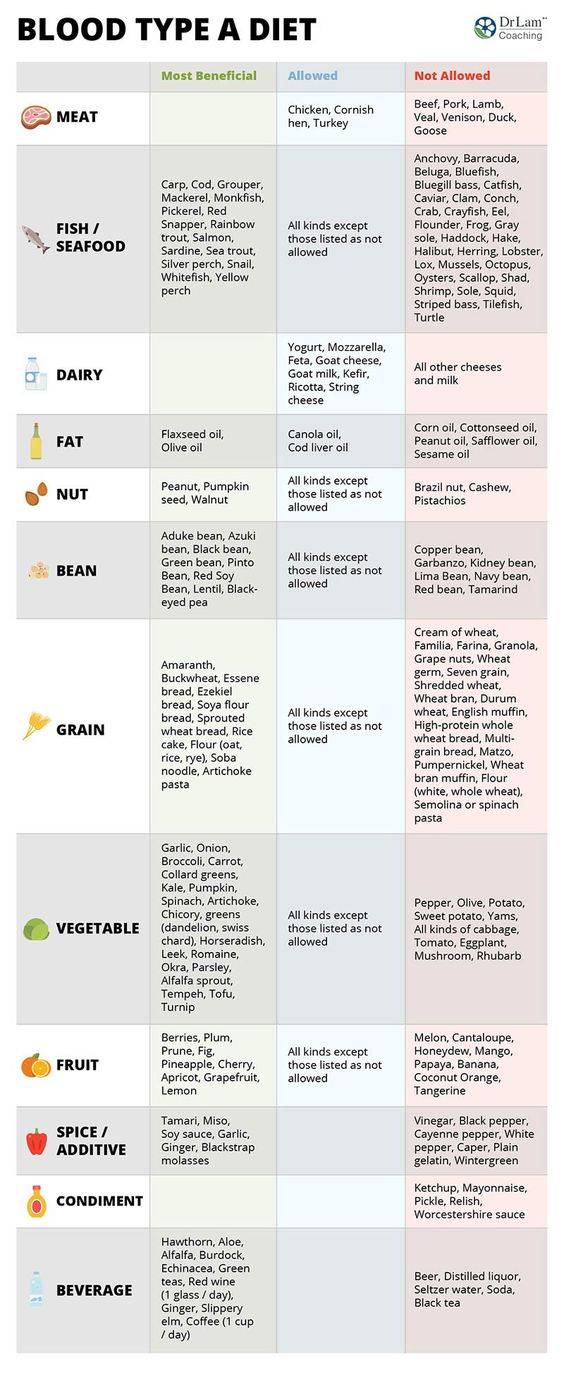
In the QMH source files, type A is presented as a more plant-forward pattern. The useful part is not to label a person by blood type, but to give them a simple starting lens for food logging: more vegetables, soy or tofu, legumes, grains, fruit, selected fish, and gentle oils.
This makes type A a practical reflection tool for people who want structure without becoming rigid. If the pattern helps someone eat more whole foods and notice their own tolerance, it can support better conversations with practitioners. It should not be used to predict disease or to replace medical nutrition advice.
Foods To Explore
- Plant proteins: tofu, tempeh, soy milk, lentils, black beans, pinto beans, adzuki beans, red soy beans, and black-eyed peas.
- Selected fish: cod, mackerel, salmon, sardine, trout, red snapper, carp, monkfish, pickerel, whitefish, and yellow perch.
- Grains and starches: amaranth, buckwheat, kasha, oat flour, rice, rice flour, rye flour, soba noodles, and artichoke pasta.
- Vegetables: broccoli, carrots, garlic, kale, onions, parsley, pumpkin, spinach, turnips, tofu, tempeh, and leafy greens.
- Fruit and drinks: berries, cherries, figs, grapefruit, lemons, pineapple, plums, prunes, raisins, green tea, and moderate coffee if personally tolerated.
Foods To Treat Carefully
The source files place red meat, pork, many cheeses and milk products, some shellfish, wheat-heavy foods, potatoes, tomatoes, cabbage, peppers, oranges, bananas, beer, liquor, and black tea into a limit or avoid column. QMH should present these as optional historical blood-type notes, not as mandatory restrictions.
A safer approach is to compare the list against the person's real food log. If energy, digestion, sleep, skin, cravings, or bowel habits improve after a gentle change, that is useful information. If the list creates fear, under-eating, or unnecessary restriction, it is no longer serving the person.
Daily Log Prompts
- Did plant-forward meals feel satisfying, or did hunger return quickly?
- Was protein high enough across the day, especially if meat and dairy were reduced?
- Did lentils, beans, soy, grains, or fish improve or irritate digestion?
- Were iron, vitamin B12, omega-3 fats, and overall calories protected?
Evidence Boundary
Current evidence does not support using ABO blood type as a reliable way to prescribe a diet. The American Red Cross explains blood type as an antigen and compatibility system. A 2013 systematic review found that blood-type diet claims had not been validated, and later studies reported that diet-pattern associations were independent of ABO genotype.
For QMH, the responsible position is simple: use blood type as one educational lens inside a broader wellness conversation. Give people a language for observation, not a label that limits their life.
Source Files
The local QMH library includes the original type A food PDF, the type A diet chart, and a Spanish type A PDF. Use them as historical source material alongside modern evidence review.
Open Type A food PDF Open Type A chart Open Spanish Type A PDF
Blood type basics - American Red Cross Blood-type diet review - PubMed ABO diet study - PLOS ONE